Blog

Doctors, Nurses, Patients, Hearses Hospital ManagersWarning: if you are an

Hospital Managers

Warning: if you are an NHS manager, or married to one, skip this blog post. This is not for you. There’s nothing to see here. Move along, please.

The NHS is a leviathan organisation. It employs well over a million people, making it the world’s fifth largest employer, and spends roughly 200 billion a year on health and social care, about 10% of UK GDP. The NHS obviously needs to be managed, and about a quarter of its employees are either managers or administrative staff. There...

Cardiopulmonary Resuscitation (CPR)

In the last post, we defined what we mean by cardiac arrest and learnt that there are only three cardiac arrest rhythms: shockable, PEA and asystole. We also briefly covered how each of these three arrest rhythms needs to be managed. A shockable rhythm (VF or pulseless VT) must be defibrillated without delay. The reversible causes associated with PEA (the 4Hs and the 4Ts) need to be diagnosed and treated as soon as possible. Asystole usually means it’s game...

Heart attacks and cardiac arrests (Part 2)

Cardiac Arrest

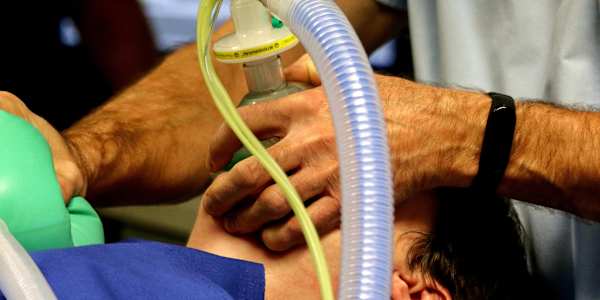
In the last post, we defined cardiac arrest as the sudden, unexpected collapse of the heart’s mechanical pumping action that is potentially reversible. In this post, we’ll look at some of the causes of cardiac arrest, what types of cardiac arrest benefit from the use of a defibrillator, and the principles of resuscitation. In the next post, I’ll take you through the mechanics of how to perform cardiopulmonary resuscitation CPR if you are...

Heart attacks and cardiac arrests (Part 1)

In the next two or three posts, I want to talk about some acute cardiac conditions that people have usually heard of but are often a bit unclear about, or even completely misunderstand. The list includes heart attacks, heart failure, shock, cardiomyopathy and cardiac arrest.

Heart attacks

There are more than 100,000 heart attacks in the UK each year. The good news is that more than 7 out of 10 victims live to tell the tale. Actually, it’s really great...

Who's Who and What's What: Inside NHS hospitals Other NHS hospital staff

Other NHS hospital staff (Part 2)

In the last post, we looked at all the different types of nurses who work in NHS hospitals. In this post, we’ll concentrate on the other clinical staff you might run into.

Midwives (aka Madwives)

I didn’t include midwives in the previous post because most midwives today aren’t nurses. Midwives have actually been regulated, independent medical practitioners in their own right since The Midwives Act, 1902. However, at the inception of the NHS in 1948, the...

Other NHS hospital staff (Part 1)

As there are so many different types of nurses, I’m only going to talk about them in this post. In the next post, I’ll deal with some of the other groups of clinicians you might encounter during a hospital stay.

Nurses

If doctors are important to the safe and effective running of a hospital, the nurses are downright indispensable. A hospital without nurses is the worst hotel you have ever stayed in – it’s noisy, particularly at night, lacking in privacy and with...

Doctors (Part 2)

Surgeons

There are more surgical specialties than you can shake a scalpel at. In order of decreasing IQ, they include:

Neurosurgeons, aka brain surgeons

Every young and ambitious schoolboy and schoolgirl dreams of becoming a neurosurgeon. It kind of makes sense that this group of doctors is the most intelligent, at least among the surgeons. They work on other people’s brains day in, day out, so it stands to reason they get to know what makes a really good brain tick and therefore...

A whole bunch of people work in NHS hospitals: doctors, nurses, physiotherapists, occupational therapists, radiographers, phlebotomists, cardiology and respiratory technicians, cleaners, porters and hospital managers. I debated whether to include the managers on my list. Do they do anything that could reasonably be described as work? I decided to include them in the end for completeness. They do, after all, outnumber all the other groups put together. (That statement may not be strictly...

Coming soon... I will be posting a series of articles in this blog about

I will be posting a series of articles in this blog about hospital life soon. Entitled Who’s Who and What’s What: Inside NHS Hospitals, it's an insider's guide to how hospitals really work. The series will attempt to inform, explain and demystify what it is that doctors, nurses and all the other clinical specialists get up to behind your back if you're unlucky enough to be admitted to hospital.

Here are some of the topics I'll be covering...

Making sense of all the different medical and...

Why I wrote my story  On 4 June 2020, the GMC (General Medical Council)

On 4 June 2020, the GMC (General Medical Council) wrote to inform me that it had erased my name from the UK register of medical practitioners and revoked my licence to practise. In other words, I had been struck off. I hadn’t done anything wrong. I had taken early retirement to escape the relentless pressure and stress of life on the NHS frontline as a consultant in anaesthesia and critical care medicine. After forty years, I was burnt out. The letter from the GMC marked the formal conclusion...